Strong Communities are Healthy Communities
Over recent weeks I have attended various events all focused on the future of health and wellbeing in Cornwall.
These discussions come at a time of significant change within the NHS. Integrated Care Boards are being asked to focus on prevention, population health and support within communities, rather than simply responding when people become ill.
A key theme has been the development of Integrated Neighbourhood Teams (INTs), which are being established across Cornwall and the Isles of Scilly. These teams bring together health services, Cornwall Council, housing providers, voluntary organisations and community groups around the needs of local people.
Services are now being organised around sixteen neighbourhoods; in my own division, most communities fall within the Three Harbours and Bosvena neighbourhood, while Lanreath forms part of the Liskeard and Looe neighbourhood.
At recent neighbourhood and health summits, there was a strong sense that organisations recognise the need to work differently. Too often, services operate in isolation, making it harder for residents to find support and requiring people to navigate complex systems. The ambition behind neighbourhood working is to change that.
Rather than organisations working separately and responding only when problems become serious, partners will work together earlier, closer to home and in a more coordinated way. The aim is to help people stay well, reduce loneliness, support mental health, identify needs sooner and make it easier to access help when it is needed.
Importantly, this approach recognises something many communities already know: our health and wellbeing are shaped by much more than medical care. The homes we live in, the jobs we do, our access to transport, education, green spaces, cultural opportunities, social connections and a sense of belonging all influence our ability to live healthy and fulfilling lives.
This thinking is reflected in the Marmot principles recently discussed by Cabinet. Named after Professor Sir Michael Marmot, this approach focuses on improving health by addressing the wider factors that shape people's lives and opportunities, while reducing the inequalities that we know lead to poorer outcomes.
This aligns closely with an approach we are developing at Cornwall Council which at its heart is a simple principle: public services achieve more when they work with communities rather than simply delivering services to them.
Local people, voluntary groups, cultural organisations, town and parish councils, faith groups and community businesses all have a vital role to play in improving health and wellbeing and building resilience.
As these new Integrated Neighbourhood Teams develop, local workshops and engagement events will take place to help shape priorities within each neighbourhood. I would encourage residents, community groups and local organisations to get involved and have their say.
Listening to local people will be essential if neighbourhood working is to succeed. Research increasingly shows that participating in community, cultural and creative activities improves health, wellbeing and social connection. So, get involved.
Joining a local group, volunteering, supporting local organisations, attending community events or simply helping out a neighbour makes a difference.
By all playing a part, we can help create communities that are healthier, happier, more connected and more resilient.
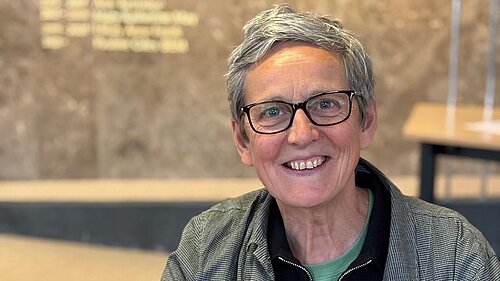
From Cllr Sarah Preece - Cornwall councillor for Lostwithiel and Lanreath